
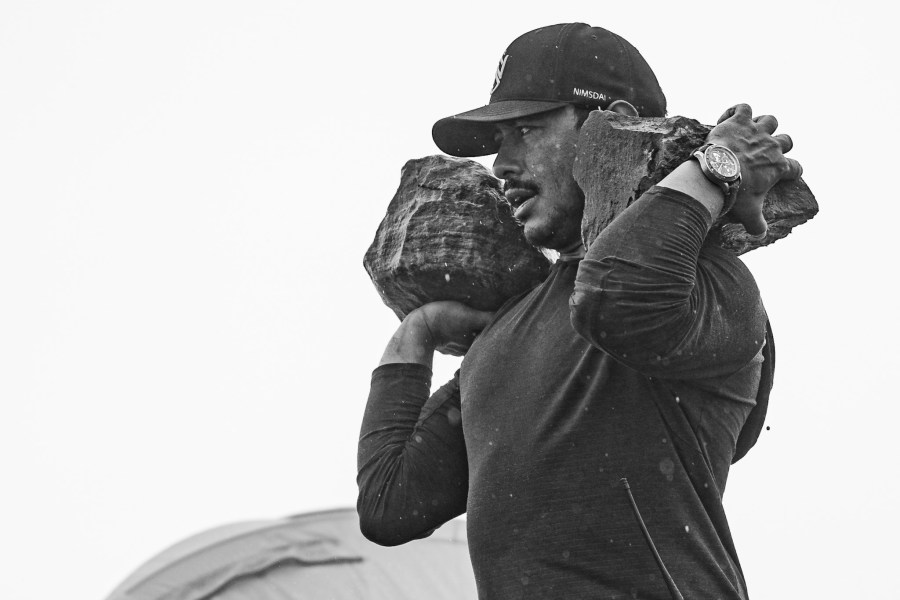
Former Gurkha and elite mountaineer Nims Purja MBE on purpose, pain and pushing human limits
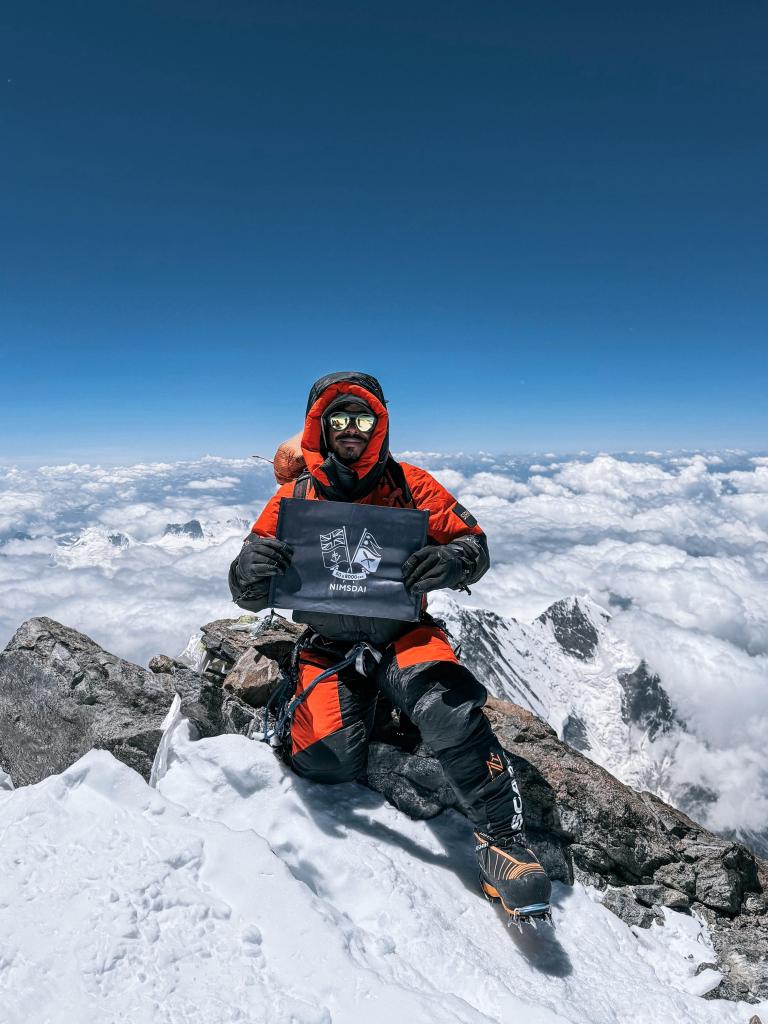
Famous for climbing all 14 of the world’s highest peaks in just six months and six days, and for leading the first all-Nepalese team to summit K2 in winter, Nims Purja MBE is a former Gurkha and UK Special Forces operative who has redefined what’s possible in the mountains. As he closes in on completing his Hat Trick Challenge – climbing all 14 peaks and the Seven Summits for a third time – he explains what drives him, how he trains, and why purpose matters more than records.
Men’s Fitness: You’ve taken on challenges that many people would consider impossible. What drives you to attempt something that’s never been done before – and may never be repeated?
Nims Purja: For me, it’s always been about a purpose that’s bigger than myself. The original idea behind climbing all 14 peaks was to raise the profile of Nepalese climbers. For a long time, Sherpas and Nepalese mountaineers were seen only as support, not elite athletes. I wanted to change that narrative.
At the same time, I wanted to show the world that it doesn’t matter where you come from or what your background is – if you believe in something and commit fully, nothing is impossible. That message is far more important to me than any record.
MF: The physical demands of what you do are extreme. What happens to the body at altitude, and what are the biggest dangers?
NP: Extreme altitude affects every system in the body. The biggest dangers are altitude-related illnesses. The first is HAPE – high altitude pulmonary oedema – where fluid builds up in the lungs. It can feel like you’re drowning, and it happens if you ascend too quickly.
The second is HACE – high altitude cerebral oedema – where swelling occurs in the brain. That’s even more dangerous and can be fatal if not treated immediately.
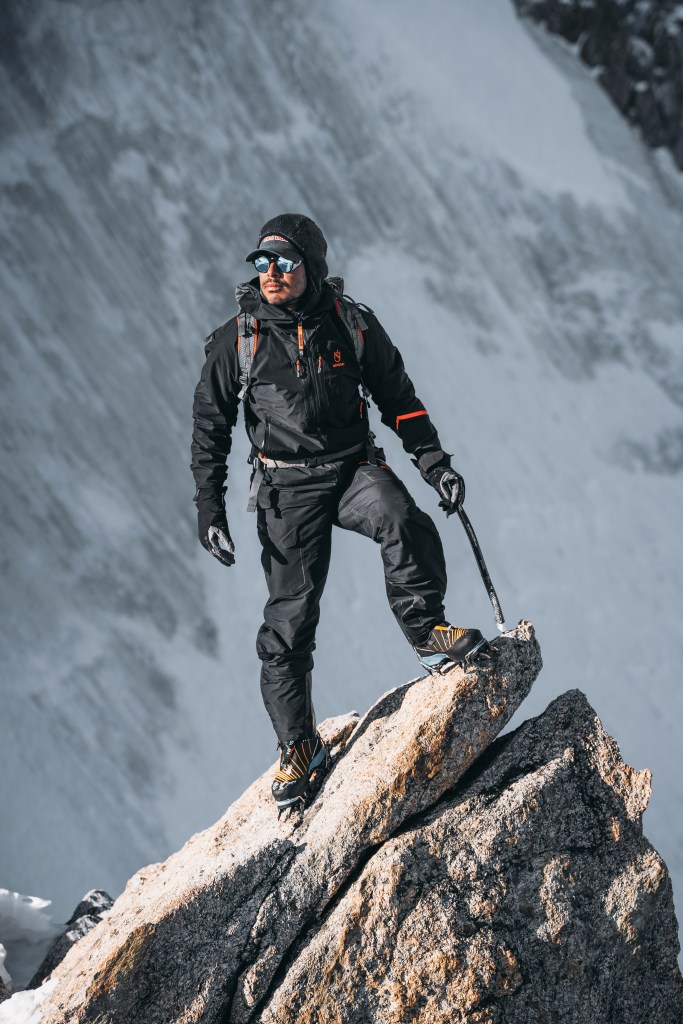
On top of that, you’re operating in extreme cold, burning huge amounts of calories, and working with very limited oxygen. Endurance becomes the real challenge. A summit push might involve climbing from camp in the evening, moving all night, summiting before midday, then descending again – often with little or no sleep. You’re asking the body to keep going when everything is telling you to stop.
MF: Is there anything people can do before an expedition to prepare their bodies for those demands?
NP: Absolutely. The foundation is endurance. I tell people to aim for at least 90 minutes of steady cardio a day – hiking, stair climbing, incline walking. You can increase intensity by moving faster rather than adding weight, which often leads to injury.
Swimming is another brilliant tool, especially strokes like butterfly or freestyle that really challenge your breathing. It trains breath control, which is crucial at altitude.
Strength-wise, bodyweight exercises are key. High-rep squats – 100 reps or more – build the leg endurance you need for long climbing days. Pull-ups are also important because you use your upper body far more than people realise. It’s not about lifting heavy; it’s about being able to keep moving for hours.
MF: Mental resilience is just as important as physical strength. How do you stay positive when conditions turn against you?
NP: For me, motivation comes from guiding and helping others achieve their goals. Not all my clients are anywhere near my level physically, but that’s what makes it special. Many of them don’t believe in themselves when they start.
Seeing that shift – when someone goes from “I can’t do this” to standing on a summit – gives me huge satisfaction. When you come down safely together, that feeling is unbeatable. Helping others believe in themselves is my purpose, and that’s what keeps me going when things get tough.
MF: How do you manage recovery during an expedition, especially between climbs?
NP: When I get back to base camp, I keep things simple. I eat traditional Nepalese food – rice, lentils, vegetables, sometimes chicken curry. It’s familiar, comforting and gives me what I need.
I don’t really use supplements, which surprises people. So far, I’ve been lucky and my body responds well to real food, even at altitude. I can eat properly up high, which makes a huge difference to recovery and energy levels.
MF: Do you lose much weight during expeditions?
NP: Not as much as many people. A lot of climbers lose significant weight because they can’t eat at altitude. I can, so that helps. Over five or six expeditions, I might lose five or six kilos, but that’s about it. Eating well up high is a massive advantage.
MF: Environmental damage in the Himalayas is a growing concern. What’s the reality on the ground?
NP: It’s a serious issue, not just on Everest but across the entire Himalayan range. More than 500 million people depend on glacier-fed water systems, so this isn’t just about climbing – it’s about survival. Cleanup at extreme altitude is incredibly difficult. During peak season, climbers and guides are focused on earning money to support their families. Asking them to stop guiding to clean mountains means they must be paid the same, which makes it expensive and complex.
Through the Nimsdai Foundation, we’ve carried out major cleanup projects on Everest, Manaslu and K2. Environmental protection is one of our core pillars, along with education and veteran rehabilitation. Awareness is growing, but real change takes time – especially in such harsh environments.
MF: Finally, what’s next for you – and what message would you like to leave with our readers?
NP: A lot of people think you need to start climbing young or have years of experience to attempt big mountains. That’s not true. You can begin with Kilimanjaro or Aconcagua, and within a year you could be climbing Everest if you train properly and have the right support.
Don’t limit yourself based on assumptions. The data speaks for itself – we’ve taken over 100 complete novices who have gone on to summit Everest and other 8,000-metre peaks.
Right now, I’m close to completing my Hat Trick Challenge – climbing all 14 peaks and the Seven Summits three times – to raise £1,000,133 for the Nimsdai Foundation. That number represents three times the total height of the 14 peaks in feet! It’s all about creating impact where it matters most.
If people take one thing from this, I hope it’s this: be open, believe in yourself, and don’t be afraid to aim higher than you think is possible.
• Nimsdai ‘Nims’ Purja is the founder of the Nimsdai Foundation: Nimsdaifoundation.org